

When you breathe, your whole body is involved. Your diaphragm, the muscles between your ribs, your abdominal muscles and even your pelvic floor move with every breath.
During labour, your breathing can become an especially valuable tool. It’s one of the few things you can consciously influence, even when everything else is happening around you. With breathing techniques that you’ve practised beforehand, you can help your body release tension and influence how you experience your contractions.
That makes breathing one of the natural forms of pain relief during labour. By slowing down and becoming aware of your breath, you can help regulate your nervous system, stay connected to your body and create a little more space and calm in the intensity of labour.
At the same time, there is no “perfect” way to breathe during labour. You don’t need to control every breath or worry about doing it correctly. Your breathing will naturally change as labour progresses, and sometimes simply focusing on a slow, comfortable exhale is enough. Think of breathing as a tool you can return to when it feels helpful, rather than something you have to get right.
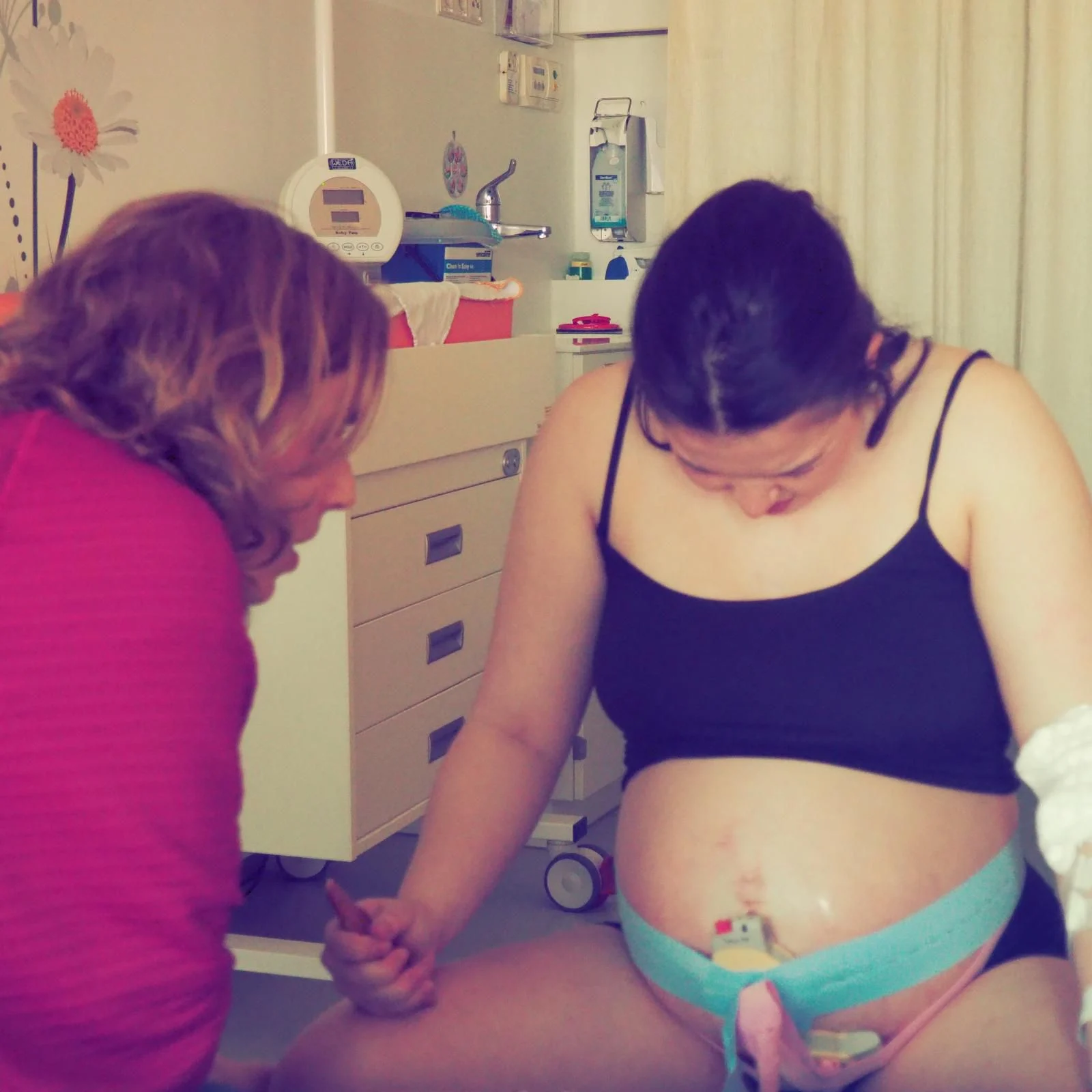
Why breathing makes such a difference
When you feel tense, your breathing often changes automatically. You may start breathing faster and more shallowly, higher up in your chest. This can contribute to more tension in your body. By consciously slowing your breathing and allowing your breath to become deeper and more relaxed, you can give your body a different signal: it is safe to soften and let go.
Even during an intense contraction, calm, steady breathing can help you stay grounded and connected to what is happening in your body.
Your breathing works closely with your nervous system. In particular, a calm, slightly longer exhale can support your body in shifting out of a state of heightened alertness and towards greater relaxation and recovery. This can make it easier for your muscles to soften, rather than unconsciously tensing further in response to the intensity of the contraction.
It’s a natural response your body already knows outside of labour too. Think of the deep sigh you take when you finally relax.
Slow, deep belly breathing
The basis is breathing in deeply through your nose, so that your belly expands, and breathing out slowly through your mouth, for longer than the in-breath. A handy rhythm to practise is, for example, breathing in for four counts and out for six, so that the out-breath is naturally longer than the in-breath. Practise this beforehand while you’re relaxed, so that during a contraction you no longer have to learn it, only apply it.
Breathing for each stage
During the latent phase, calm, relaxed breathing can help you save energy. During the active phase and transition, when contractions become more intense, slightly shorter, rhythmic breathing can give you something to hold on to. During the pushing stage you actively work along with pushing breaths, usually guided by your doula or midwife.
Relaxation techniques alongside breathing
Besides breathing, there are several ways that can help you release tension during labour:
- Positions and movement: moving and regularly changing position can help you cope better with contractions and make room for what your body and your baby need at that moment. Different positions can also support your baby in rotating through your pelvis. Think of standing and moving, leaning forward, being on your hands and knees, lying on your side or gently rocking your pelvis. There’s no ‘right’ position: your body can often tell you well what feels good at that moment. (read more about birthing positions here)
- Relaxing your muscles: notice where you’re holding tension and try to consciously let go of those muscles, for example your jaw, shoulders, eyes, hands and pelvic floor.
- Visualisation: imagine a calm and safe place (read more about visualisation here)
- Massage and touch: touch or massage from your partner or doula can help reduce tension and bring your attention back to your body.
- Making sound: sighing, moaning or making low sounds can help support your breathing and release tension. Especially when you feel anxious this can help a lot!
- Rhythm or mantra: repetition, such as calm counting, movement or a short phrase, can give you something to hold on to when a contraction becomes intense. Like: “Step by step by step” or “Contraction is helping me”
Practising beforehand makes the difference
These techniques work best if you’ve already practised them during your pregnancy. Just like training a muscle, it becomes more and more familiar the more often you do it.
We practise breathing and different ways of using your breath extensively during our doula preparation sessions. During the birth itself, it can be incredibly valuable to have someone beside you who recognises what is happening and gently helps you return to what you practised beforehand. Especially in moments when you briefly lose touch with what you need, a familiar and supportive presence can help you reconnect with your breathing, your body and yourself — sometimes simply by breathing alongside you or gently coaching you through a contraction.
You can also read my personal blog about the power of your breathing during labour for more background and practical exercises.
Would you like to practise a range of breathing and relaxation techniques properly in advance? Take a look at my doula services or book a pregnancy course.
Would you rather book straight away? Use the widget below.